


Preços das unidades principais Android e dos painéis digitais: por que razão existe esta grande diferença?
Unidades centrais Android premium · Upgrades de cockpit de ecrã duplo · Clusters de instrumentos digitais
Os preços das unidades centrais Android e dos clusters digitais podem ser surpreendentemente diferentes, mesmo quando dois produtos premium parecem quase idênticos. O formato do ecrã pode ser semelhante, mas a placa-mãe, o display, a integração no veículo, o padrão de teste, os requisitos do fornecedor e o suporte de longo prazo por trás dele podem não ser. Este guia mostra o que realmente cria essa diferença — e o que a iKAGOO faz de forma diferente.
Preços de Unidades Android e Clusters Digitais: Porquê a Diferença de Preço?
Porque o formato visível muitas vezes tem de ser semelhante para caber no mesmo carro, enquanto as peças por trás desse formato podem ser muito diferentes. Essa é a razão central por detrás dos preços das unidades principais Android e dos painéis de instrumentos digitais. As unidades principais Android específicas para veículos e os painéis de instrumentos digitais utilizam frequentemente moldes públicos, moldes partilhados ou caixas muito semelhantes. A abertura do painel, os pontos de montagem e a posição do ecrã não deixam liberdade ilimitada, pelo que os produtos de diferentes fornecedores podem, naturalmente, parecer quase iguais na parte frontal.
Essa semelhança visual é exatamente a razão pela qual o mercado é confuso. Um comprador pode ver a mesma forma geral, as mesmas dimensões do ecrã e uma interface semelhante e assumir, com razoabilidade, que os produtos vieram da mesma fábrica ou estão simplesmente a ser revendidos com margens diferentes. Por vezes, são produtos relacionados. Mas a aparência, por si só, não permite saber se o material da caixa, o ecrã, a placa-mãe, os CIs, os componentes de memória e armazenamento, a interface CANBUS, os feixes de cabos, os conectores, o padrão de montagem e os testes de saída são os mesmos.
O dos preços das unidades principais Android e dos painéis de instrumentos digitais O que vê online pode, portanto, refletir diferenças que são quase impossíveis de avaliar apenas pela vista frontal.
Até a própria caixa pode diferir na qualidade do material, na resistência ao calor, na precisão do ajuste e na durabilidade a longo prazo, mantendo uma aparência quase idêntica numa foto de anúncio. No caso da eletrónica automóvel, isso é importante porque o produto fica num painel que sofre calor, frio, vibração e ciclos repetidos de arranque-paragem durante anos.
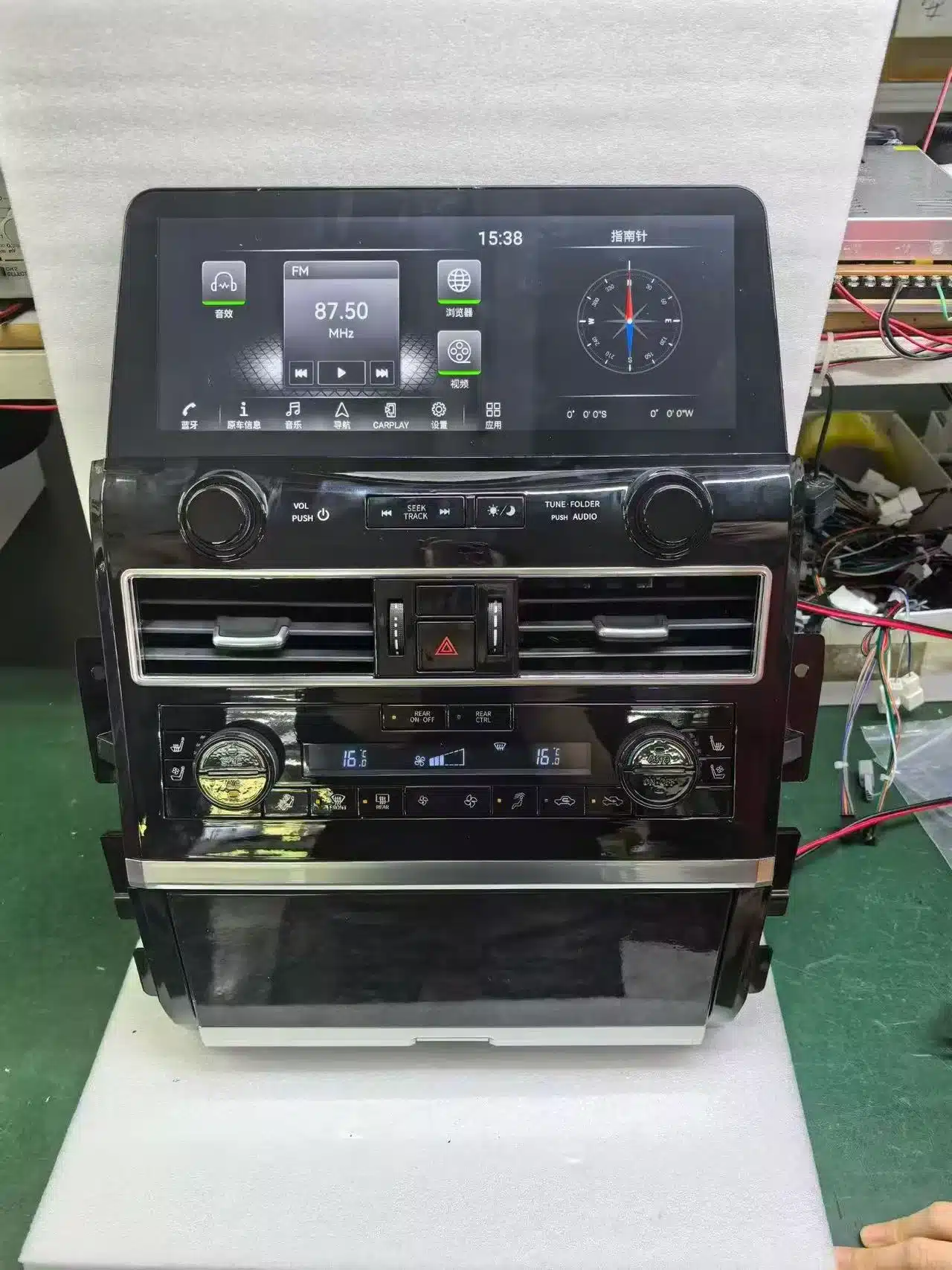
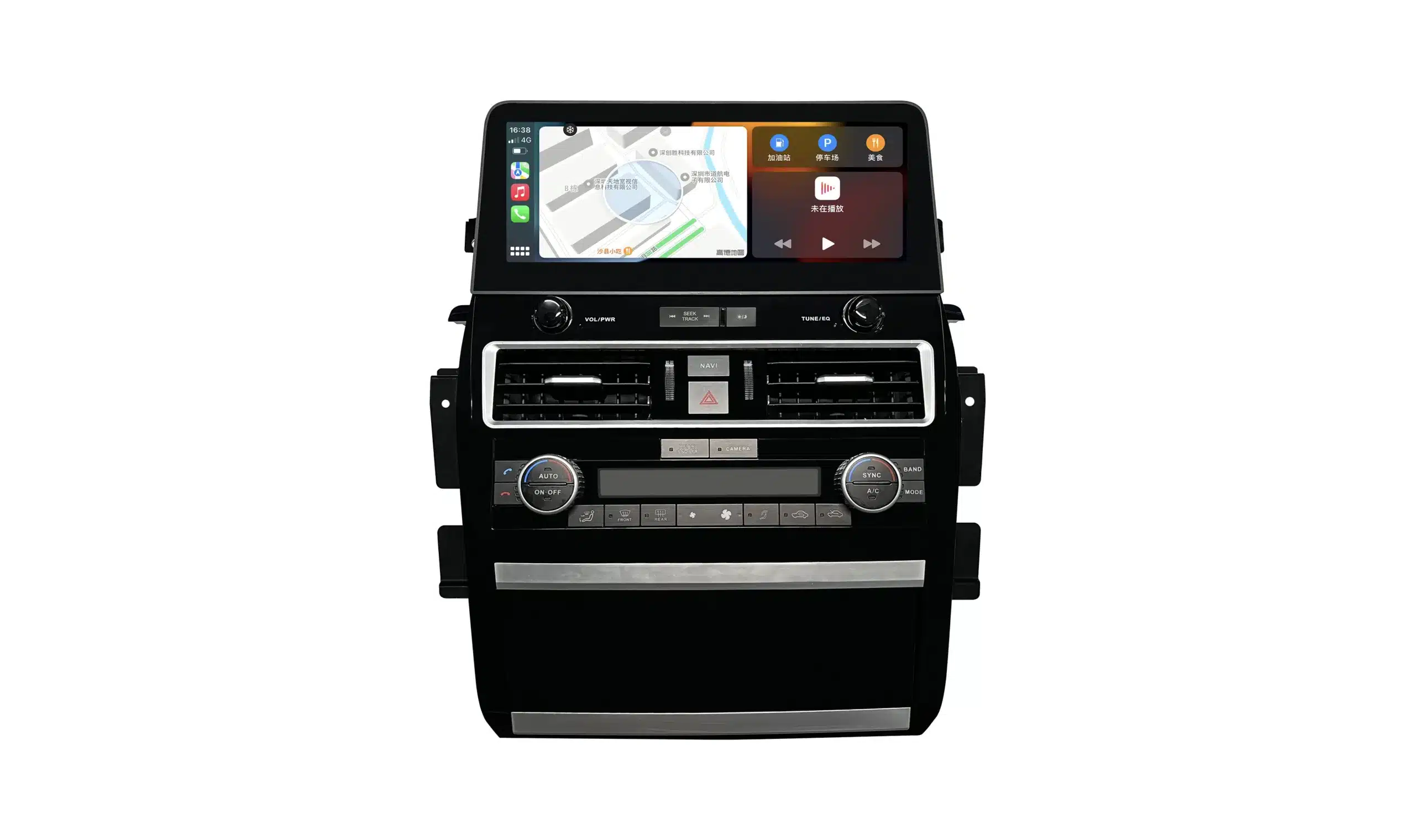
| O que parece semelhante online | O que ainda pode ser diferente | Porque é importante após a instalação |
|---|---|---|
| Tamanho do ecrã e formato do painel de bordo | Origem do painel, camada de toque, brilho, controlador, material da caixa, ventilação | Comportamento térmico, consistência do toque, ajuste, vibração e envelhecimento do ecrã |
| Configuração de memória e armazenamento | Origem dos componentes, grau de armazenamento, layout da PCB, design de alimentação e compilação do firmware | Comportamento de arranque, estabilidade, fiabilidade de leitura/gravação e compatibilidade de software posterior |
| Interface semelhante ou família de software | Design da placa-mãe, seleção de CIs, regulação de alimentação, conectores e interface do veículo | Reinício aleatório, sem som, falhas de comunicação e dificuldade de resolução de problemas |
| Descrição semelhante da fiação | Construção do chicote elétrico, módulo CANBUS, precisão dos conectores e roteamento específico do veículo | Problemas de câmara, amplificador, controlos do volante e dados de fábrica |
Podem unidades multimédia Android premium e painéis de instrumentos digitais semelhantes utilizar placas-mãe diferentes?
Sim. A interface não é a placa-mãe. Isto é verdade tanto para os painéis de instrumentos digitais como para os sistemas de cockpit Android premium de estilo OEM. Nesta indústria, uma solução de software pode ser fornecida ou suportada por uma empresa de soluções enquanto diferentes fábricas constroem o seu próprio hardware à sua volta. Isso significa que dois produtos podem começar com menus e funções quase idênticos, enquanto o design real da placa e os requisitos dos componentes subjacentes são diferentes.
Esta é uma das razões mais importantes pelas quais os compradores não devem identificar um produto apenas pela sua interface de utilizador. Uma fábrica pode escolher um layout de PCB diferente, secção de alimentação, CIs, fonte de memória e armazenamento, controlador de ecrã, conectores e design térmico. Outra fábrica pode utilizar uma implementação diferente mantendo ainda uma experiência de software muito semelhante.
Com base na nossa experiência na cadeia de abastecimento, só a placa-mãe pode criar uma grande diferença de custo entre produtos que parecem quase idênticos por fora. Isso não significa que uma fotografia da placa com aspeto mais caro prove automaticamente uma qualidade superior. Uma avaliação real da qualidade necessita de especificações dos componentes, histórico do fornecedor, testes e experiência real de falhas pós-venda — não apenas uma fotografia.
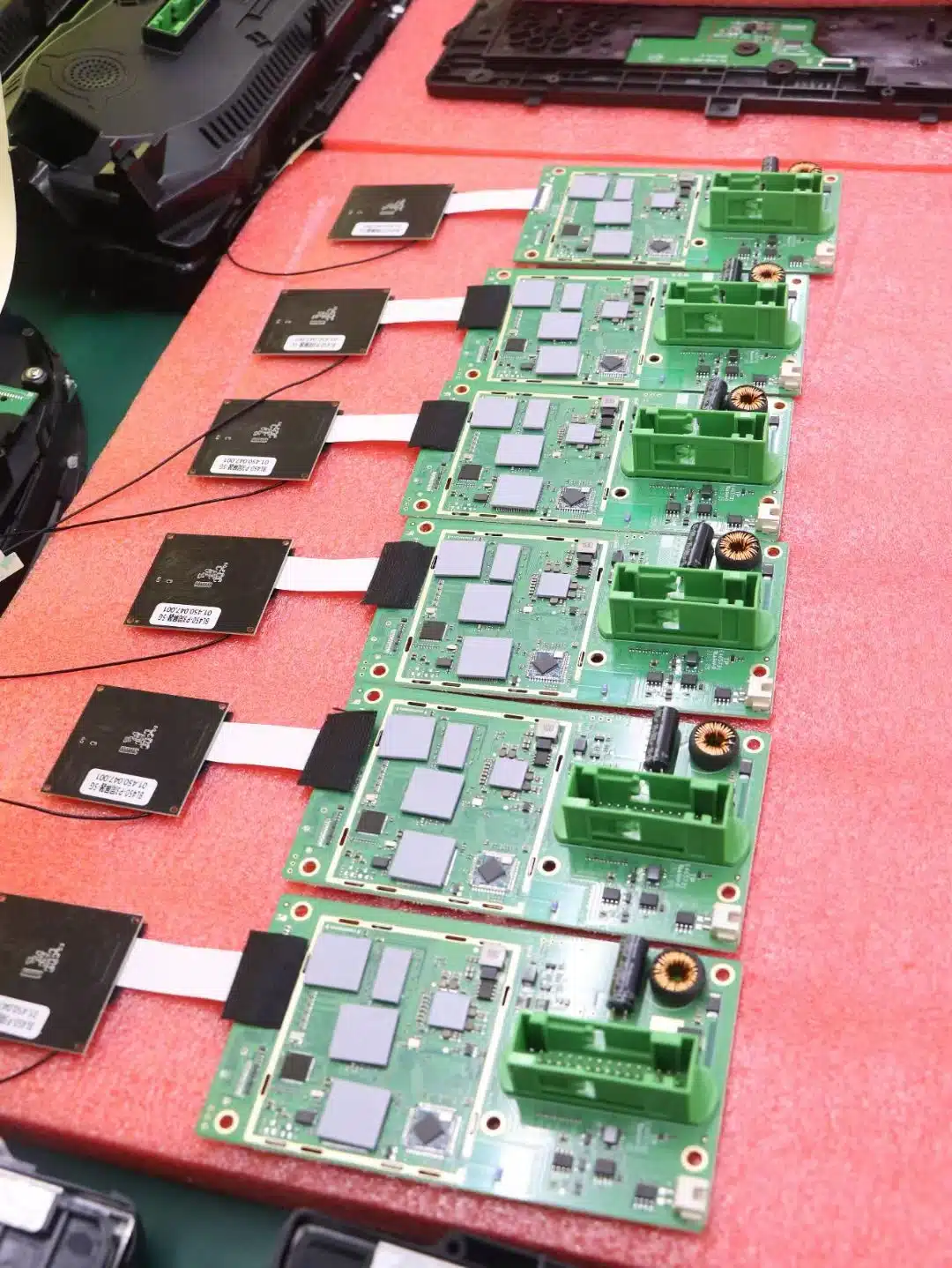
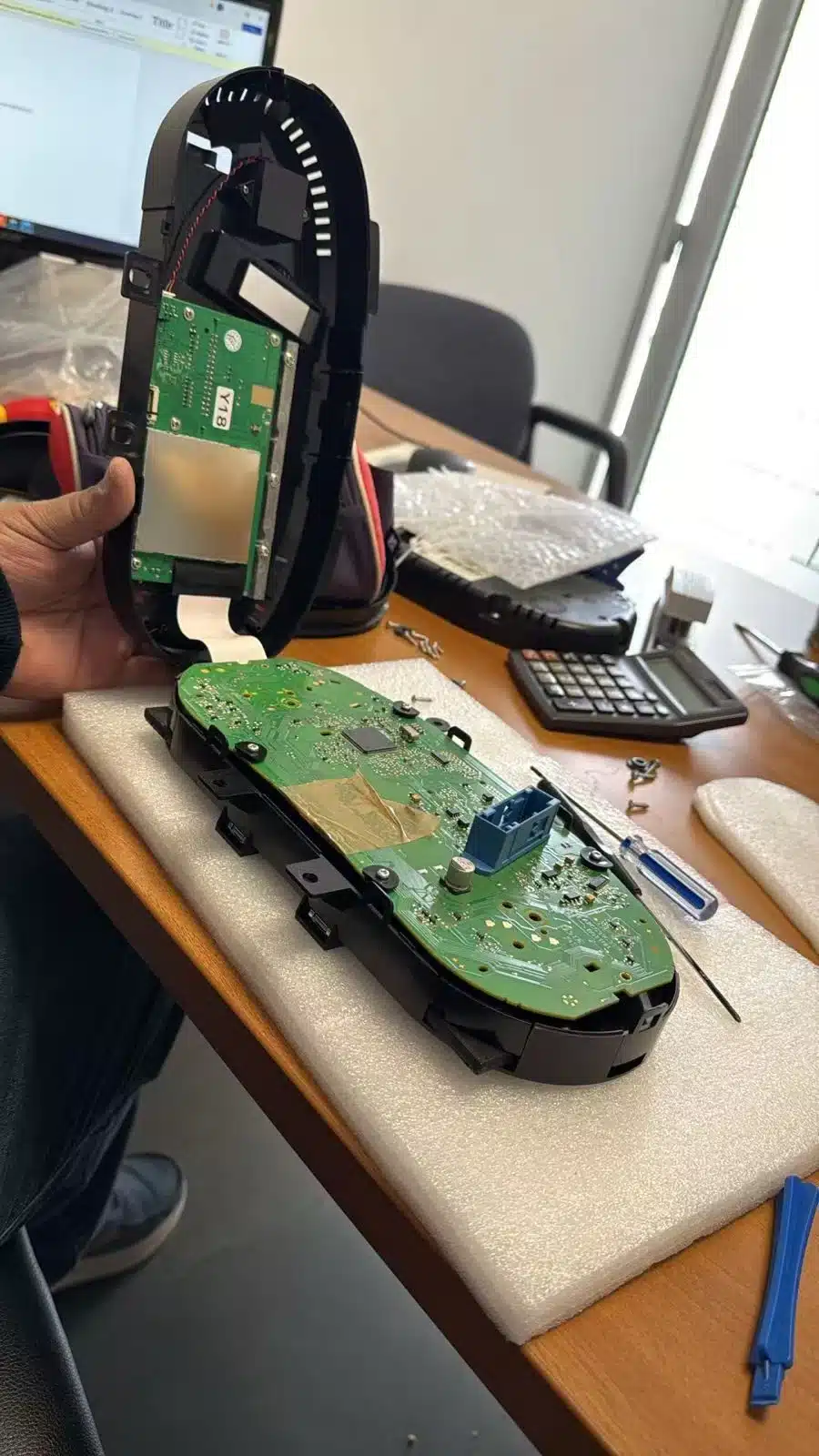
O mesmo princípio aplica-se a painéis de instrumentos digitais aftermarket. Um painel pode parecer quase idêntico do lugar do condutor, enquanto utiliza um conjunto de ecrã diferente, rota de dados, cablagem ou firmware. Para algumas aplicações Volkswagen e Audi, a placa original do painel de instrumentos permanece parte do caminho de dados de fábrica; o nosso Manual do utilizador do painel de instrumentos digital VW & Audi explica essa integração em mais detalhe.
Esta é também a razão pela qual a intenção de compra de painéis de instrumentos digitais se torna mais útil quando é específica da marca. Um comprador que compara a qualidade do retrofit do painel de instrumentos digital da BMW geralmente está preocupado com o encaixe NBT/EVO, a retenção dos dados originais e a fiabilidade a longo prazo. A fiabilidade do retrofit do painel de instrumentos digital da Mercedes-Benz a pesquisa tem maior probabilidade de envolver correspondência NTG, dados CANBUS e integração de cockpit estilo OEM. Um Qualidade do retrofit do cockpit virtual Audi a comparação depende frequentemente da geração do MMI, das funções originais e da adaptação do painel de instrumentos. Para a Volkswagen, adaptação do retrofit do painel de instrumentos digital pode depender da plataforma de instrumentos original e do caminho de dados. Estas são questões de compra, não termos de trânsito genéricos.
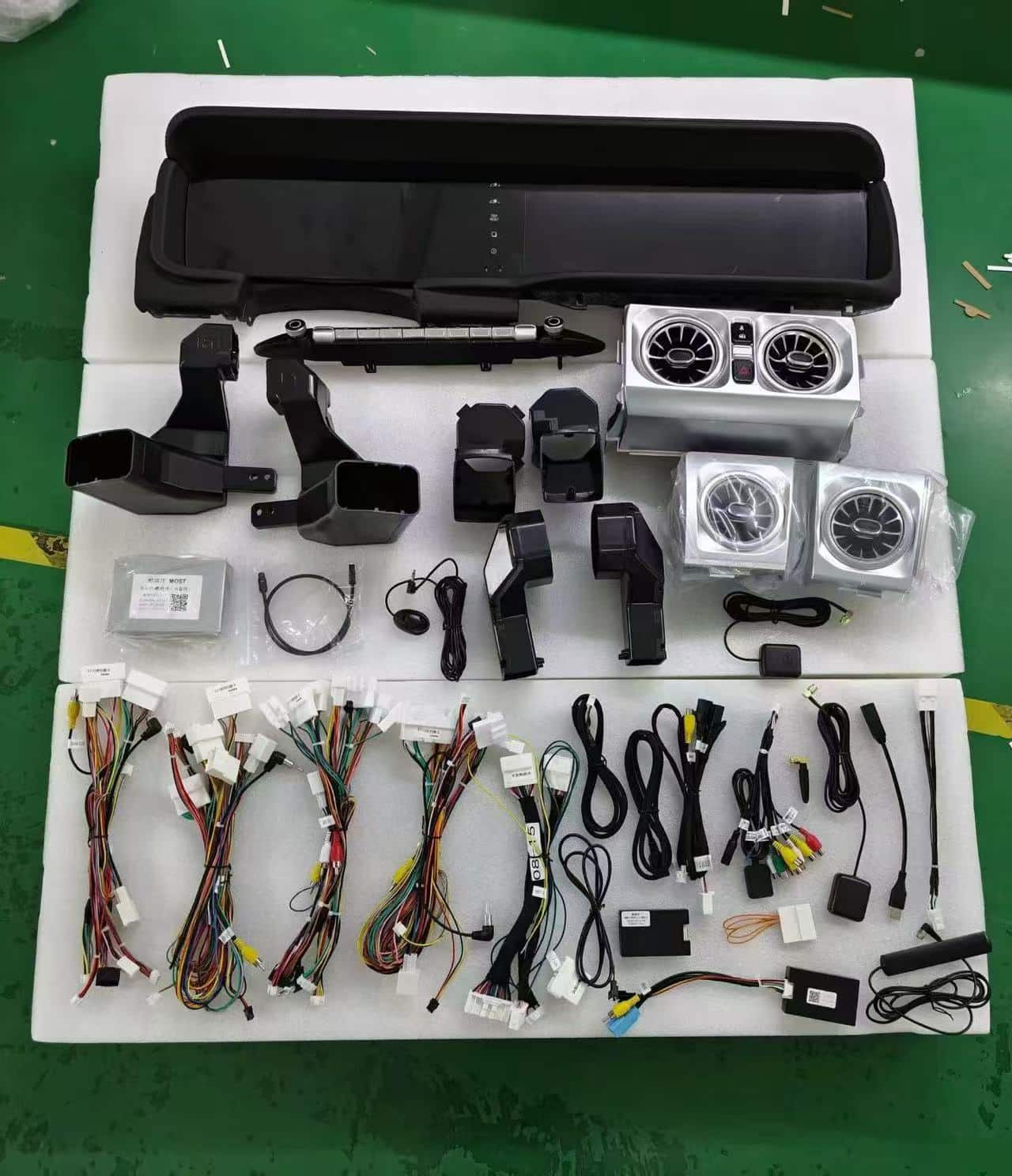
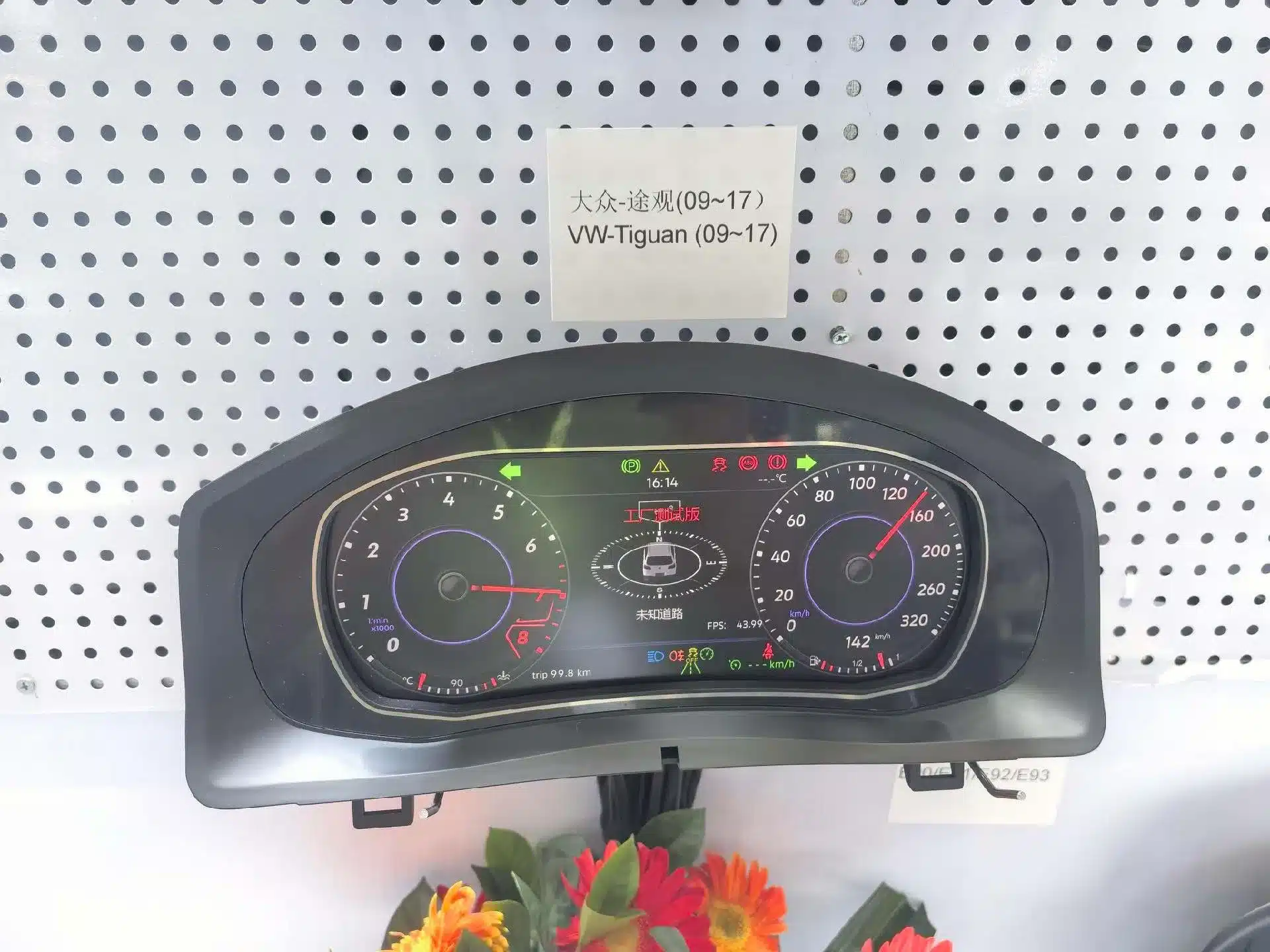
Se as funcionalidades listadas são semelhantes, o que realmente muda o preço?
Porque uma página de produto só pode mostrar parte do produto. A memória, o armazenamento, o tamanho do ecrã, o sistema operativo, o suporte CarPlay e outras funções principais listadas são úteis, mas não contam a história completa da estabilidade.
Os compradores comparam naturalmente as especificações que conseguem ver. Isso é razoável. O problema é que muitas das diferenças que determinam a fiabilidade a longo prazo não são fáceis de colocar numa tabela de especificações curta. O design da PCB, a regulação de energia, a origem dos componentes, a qualidade do ecrã, a qualidade dos conectores, a implementação CANBUS, a tolerância de montagem e o padrão de teste podem não ser visíveis de todo.
É por isso que dois produtos podem anunciar honestamente um conjunto de funcionalidades visíveis semelhante e, ainda assim, serem produtos diferentes por baixo. A lista de especificações diz-lhe para que foi projetado o aparelho. Não lhe diz automaticamente como o hardware foi construído, como o produto foi testado ou como o vendedor o vai apoiar mais tarde.
Mesmo aspeto, custo diferente: de onde vem realmente a diferença de preço?
Porque a concorrência de preços altera o custo-alvo antes de o produto chegar ao cliente. Um grossista ou vendedor de marketplace pode estar a servir compradores que comparam principalmente o preço final, pelo que o vendedor pede à fábrica um preço de compra mais baixo. A fábrica ainda precisa de margem suficiente para continuar a produzir, o que significa que o custo solicitado tem de ser alcançado algures na cadeia de produto ou serviço.
O vendedor não precisa de pedir explicitamente um ecrã mais barato, um CI de menor custo ou um componente de memória diferente. Numa cadeia de abastecimento competitiva, a fábrica pode ajustar a lista de materiais (BOM) por si própria para ainda poder produzir ao preço solicitado. Isso pode afetar o ecrã, os CIs, a memória e a origem do armazenamento, a cablagem, o tempo de teste, a embalagem ou a quantidade de apoio pós-venda que pode realisticamente ser assegurada.
Não achamos que seja correto descrever isto como todas as fábricas a “reduzirem secretamente a qualidade.” A explicação mais útil é que diferentes preços-alvo criam diferentes estruturas de custos. Assim que o preço de compra mais baixo se torna a primeira prioridade, a fábrica tem de decidir que outros custos podem ser reduzidos.
Esta é uma das razões os preços de unidades de cabeça Android premium e clusters digitais podem diferir mesmo quando o tamanho do ecrã visível, o design exterior e as funções listadas parecem quase os mesmos.
Esta é uma das razões centrais multimédia Android premium e painéis de instrumentos digitais podem ter preços muito diferentes mesmo quando o tamanho do ecrã, o design exterior e as funções visíveis parecem muito semelhantes. A diferença de preço pode refletir o que foi protegido—ou comprimido—atrás da foto do produto.
O que a iKAGOO faz de diferente
| O que muda na cadeia de abastecimento | Rota que prioriza o preço | Diferença da marca iKAGOO |
|---|---|---|
| Seleção de fornecedores | Trade-off com prioridade ao preço O preço de compra mínimo viável pode tornar-se o primeiro filtro. |
Escolha iKAGOO A estabilidade do hardware, o desempenho de montagem e o histórico de pós-venda vêm antes do preço mais baixo. |
| Margem da fábrica | Trade-off com prioridade ao preço A fábrica tem de proteger a sua própria margem enquanto atende a um preço mais baixo solicitado. |
Escolha iKAGOO A iKAGOO pode aceitar um custo de fornecimento cerca de 10% mais elevado quando isso dá ao fornecedor margem para manter o hardware principal e o padrão de suporte estáveis. |
| Onde o custo pode ser comprimido | Trade-off com prioridade ao preço Ecrã, circuitos integrados, fonte de memória/armazenamento, cablagem, tempo de teste, embalagem ou suporte futuro podem todos tornar-se pontos de controlo de custos. |
Escolha iKAGOO iKAGOO prefere manter a rota do produto estável do que poupar uma pequena quantia ao nível do fornecedor e criar um problema maior de instalação ou pós-venda mais tarde. |
| Como os fornecedores são avaliados | Trade-off com prioridade ao preço Preço e volume de negócios podem ter mais peso quando o modelo de negócio é construído em torno de vendas rápidas. |
Escolha iKAGOO Falhas reais de produtos vendidos, problemas de correspondência e erros de fiação influenciam as decisões sobre fornecedores. |
| Quando um fornecedor comete um erro confirmado de correspondência ou de fiação | Trade-off com prioridade ao preço A resposta depende do modelo de negócio do próprio vendedor. |
Escolha iKAGOO As transações futuras podem ser pausadas por pelo menos 30 dias enquanto a iKAGOO verifica se a correção é real. |
| Quem assume o risco de reputação | Trade-off com prioridade ao preço O cliente final muitas vezes nunca vê o nome da fábrica. |
Escolha iKAGOO O cliente lembra-se da marca iKAGOO. Isso torna a estabilidade a longo prazo e os resultados pós-venda parte da própria marca. |
Esta diferença é ainda mais importante para os produtos em que a iKAGOO agora se concentra: grandes ecrãs estilo OEM, atualizações premium de cockpit Android de ecrã duplo e painéis de instrumentos digitais específicos para veículos, em vez de produtos de rádio universais de nível básico. A Upgrade Android de ecrã duplo de LC200 24.6 polegadas para Toyota, Unidade multimédia Android de ecrã duplo para Nissan Patrol Y62 ou Atualização Android de ecrã duplo para Mercedes S-Class envolve muito mais integração no veículo, custo de instalação e risco de propriedade a longo prazo do que um simples ecrã de substituição universal.
Para esses compradores, a comparação útil não é simplesmente “qual unidade Android é mais barata?” É se o percurso de cockpit específico do veículo foi preparado corretamente, se o fornecedor tem margem suficiente para manter o padrão de hardware e se o vendedor ainda está disposto a assumir a responsabilidade quando o produto já está instalado no carro.
Esse custo extra de aquisição não é uma garantia por si só. Um fornecedor ainda tem de provar o produto através de encomendas reais e resultados pós-venda. O ponto é que a marca iKAGOO prefere proteger a estabilidade do produto a longo prazo e a confiança do cliente do que vencer todas as comparações de preço mais baixo e depois suportar o custo de problemas repetidos mais tarde.
Porque não comprar uma alternativa mais barata e substituí-la se falhar?
Às vezes essa é a escolha certa, e não achamos que o mercado de preços baixos esteja errado. Se o dinheiro estiver apertado, o carro for apenas um veículo temporário, a instalação for simples, ou se conseguir diagnosticar e substituir a unidade por si próprio, um produto mais barato pode ser completamente racional. Na mesma situação, poderíamos tomar a mesma decisão.
Diferentes compradores têm relações diferentes com os seus carros. Algumas pessoas veem o veículo principalmente como transporte e esperam substituí-lo em breve. Para elas, minimizar o preço de compra inicial pode ser o objetivo mais sensato.
Mas outros proprietários são muito diferentes. Depois de viver com um carro durante anos, o carro pode tornar-se parte da família. O proprietário conhece a sua história, aprecia a forma como conduz e pode querer mantê-lo por mais 10 ou mesmo 20 anos. Nessa situação, a decisão já não se baseia apenas no valor de revenda atual do veículo. Um verdadeiro entusiasta pode continuar a investir no carro mesmo quando o dinheiro gasto em melhorias é elevado em comparação com o valor de mercado, porque o objetivo não é revender o carro amanhã. O objetivo é continuar a viver com um carro pelo qual realmente se importa.
Para esse proprietário, “se falhar, vou apenas comprar outro” pode ser muito mais caro do que parece. O segundo produto é apenas uma parte do custo. Pode ser necessário diagnosticar o primeiro problema, remover o painel novamente, encontrar outro fornecedor, explicar novamente a configuração do veículo, verificar os conectores novamente, esperar mais 10–15 dias pelo envio internacional e depois instalar o segundo produto.
Se instalar tudo sozinho, continua a gastar tempo. Se utilizar um instalador profissional na Europa ou na América do Norte, o custo de mão de obra pode ser significativo. Um único conector errado também pode significar outro envio internacional e outra marcação, mesmo quando a unidade principal em si está boa.
| O que paga na primeira vez | O que um ciclo de substituição falhado pode adicionar |
|---|---|
| Preço do produto | Outro produto ou hardware de substituição |
| Primeira verificação de compatibilidade | Nova pesquisa de fornecedor e outra confirmação de montagem |
| Primeira instalação | Diagnóstico, remoção e segunda instalação |
| Primeiro envio internacional | Envio de substituição e tempo de espera |
| O seu tempo | Mais mensagens, outra marcação e outro período de incerteza |
Uma opção de preço mais baixo pode ser completamente razoável quando…
O carro é temporário, o orçamento importa mais do que a continuidade a longo prazo, a instalação é fácil ou se sente à vontade para resolver problemas e substituir o sistema por si próprio.
Uma rota com mais suporte é mais importante quando…
Este é um carro que você realmente quer manter por anos. Prefere escolher cuidadosamente uma vez, preservar as funções originais, evitar desmontagens repetidas e saber que ainda há alguém para contactar mais tarde.
Para clusters digitais especificamente, o nosso artigo separado sobre o custo oculto dos clusters digitais sem suporte analisa mais detalhadamente o problema da segunda instalação e do suporte a longo prazo.
Algum vendedor pode garantir a instalação de unidades principais Android ou clusters digitais de estilo OEM para 100%?
Não. Não acreditamos que um vendedor responsável deva prometer compatibilidade 100% apenas com base no modelo e no ano. O mesmo modelo e ano de veículo pode ter diferentes conectores, amplificadores de fábrica, câmaras, controladores, sistemas de infoentretenimento, posições de volante e configurações regionais.
É por isso que a iKAGOO utiliza dois níveis de verificação de compatibilidade. Antes da venda, fazemos um primeiro julgamento sobre se a rota de atualização é basicamente adequada. Não queremos que um cliente pague por algo que obviamente não é a direção certa.
Antes do envio, a verificação torna-se mais detalhada. Dependendo do produto, podemos confirmar o painel de bordo original, o painel de instrumentos, o ecrã, os conectores ou outras informações de fábrica. O objetivo é corresponder à configuração real do veículo, em vez de depender apenas do intervalo de anos indicado no título do produto.
Mesmo após essas verificações, não dizemos que o risco se torna zero. Modificações anteriores, alterações de fábrica não documentadas e cablagem oculta ainda podem criar surpresas. O nosso objetivo é reduzir o risco de incompatibilidade o máximo possível antes de o produto viajar internacionalmente e antes de o cliente pagar pela instalação.
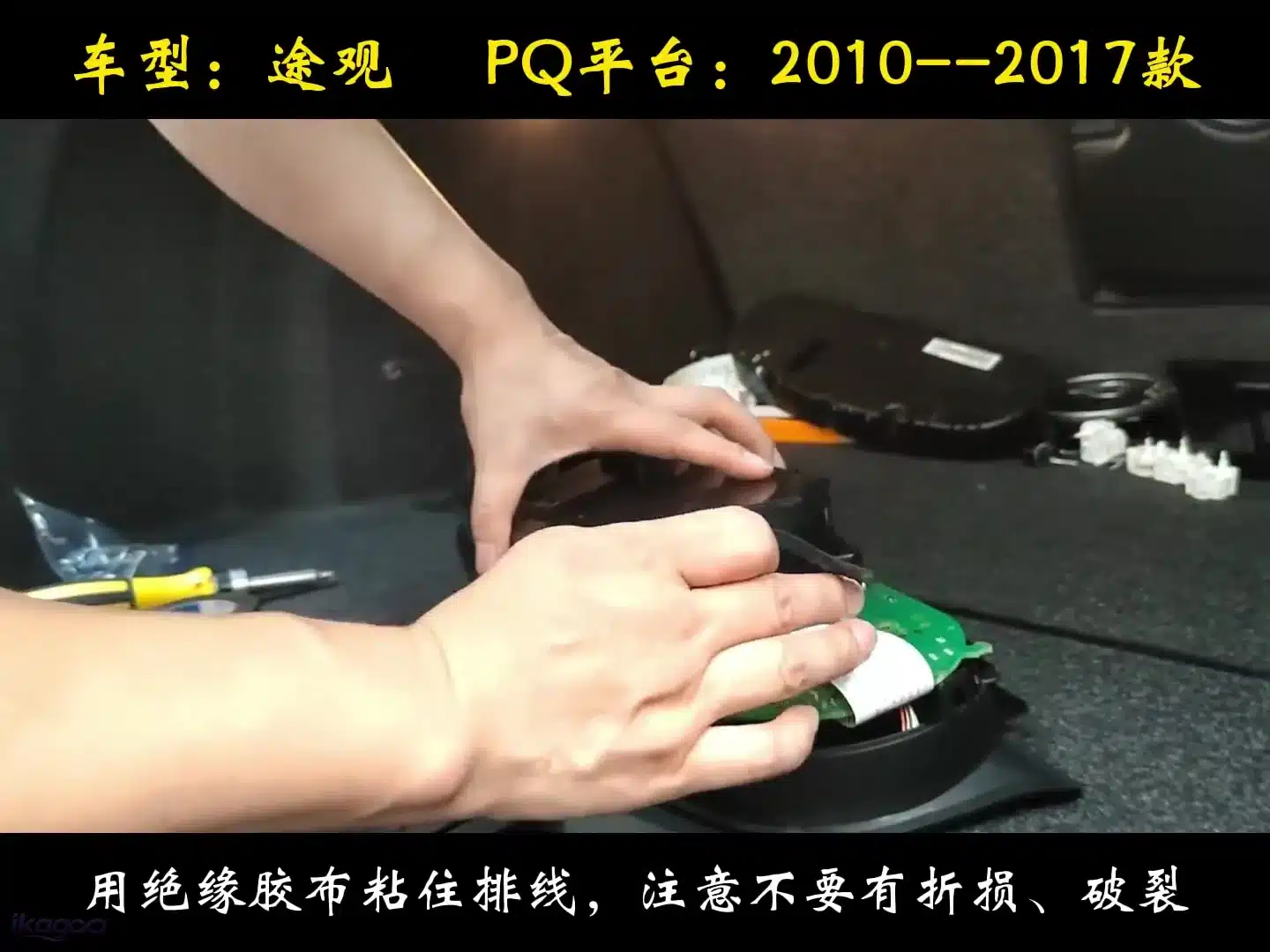
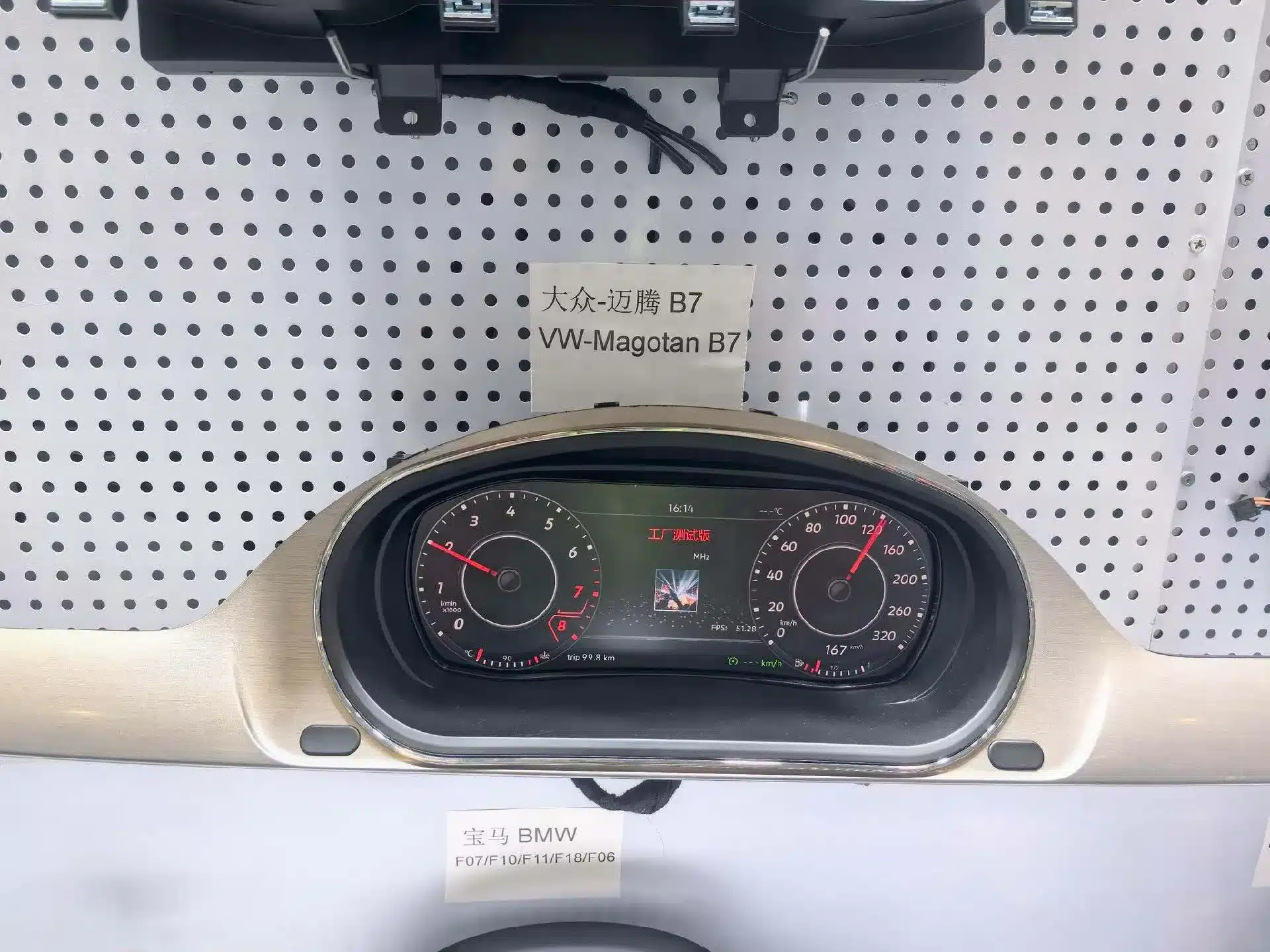
O processo completo de pré-encomenda é explicado na nossa Página de Compatibilidade e Instalação. A preservação das funções de fábrica é também uma questão separada, por isso também mantemos uma dedicada. Norma de retenção das funções de fábrica em vez de tratar “compatível” como uma promessa vaga.
O que acontece se o arnês CANBUS ou a cablagem ainda não corresponderem ao meu carro?
A questão importante não é se um vendedor afirma que os erros nunca acontecem. A questão importante é quem suporta os custos e a responsabilidade quando uma incompatibilidade confirmada acontece.
Se o problema for um arnês incorreto confirmado, a iKAGOO envia o arnês correto gratuitamente. Também cobrimos o custo desse arnês de substituição e o seu envio internacional. Não consideramos razoável pedir ao cliente para comprar outro cabo porque o nosso processo de correspondência original estava errado.
Se o hardware estiver correto e o problema estiver relacionado com definições, configuração CANBUS, roteamento da câmara, integração de áudio ou outro detalhe de instalação, continuamos com o suporte técnico e referências de instalação. A venda não é considerada concluída simplesmente porque a página de rastreio diz “entregue”.”
Se, após uma resolução de problemas completa, a iKAGOO confirmar que o dispositivo e o percurso da cablagem são completamente incompatíveis e não existe uma solução de instalação viável, pode ser utilizado o percurso de reembolso sem devolução aplicável. O cliente não tem de enviar um produto inutilizável de volta através do mundo simplesmente para provar que a incompatibilidade existe depois de já a termos confirmado.
Existe ainda um limite importante: isto não significa que prometemos reembolsar todas as despesas de instalação local, diagnóstico ou mão de obra de terceiros em todos os casos. Esses custos externos nem sempre estão sob o nosso controlo. O que podemos fazer é reduzir o risco de falha do produto para o cliente e não empurrar todos os erros de compatibilidade de volta para o comprador.
Para um exemplo real de por que a instalação pode envolver muito mais do que o próprio ecrã, consulte o guia de instalação do rádio estilo Tesla Ford F-150. A página de produto F-150 correspondente continua a ser a página de transação em vez de competir com este artigo de comparação.
Se o painel digital ou a unidade principal Android for descontinuado, ainda é possível encontrar peças de substituição?
Esta é uma das maiores diferenças que não se consegue ver quando compara duas fotografias de produtos. A eletrónica específica de cada veículo usa frequentemente ecrãs, carcaças, placas e cablagens não padronizados. Quando um fornecedor altera o produto ou deixa de o produzir, algumas dessas peças podem tornar-se difíceis de identificar ou substituir.
Para os produtos suportados, a iKAGOO mantém a informação do produto da encomenda concluída e o registo de compatibilidade com o veículo. Isto significa que um cliente antigo não tem de voltar anos mais tarde e começar a conversa do zero sem que ninguém saiba qual foi a versão originalmente fornecida.
Para as peças que consideramos ter um risco real de descontinuação, também pré-compramos placas-mãe originais selecionadas, cablagens dedicadas, ecrãs não padronizados, carcaças e outras peças de serviço. Algumas dessas peças podem nunca ser utilizadas. Podem ficar paradas durante anos e imobilizar capital. Ainda assim, consideramos que é um custo razoável a longo prazo, porque a alternativa é dizer a um cliente antigo que o fornecedor original desapareceu e que já não há nada que possamos identificar para ele.
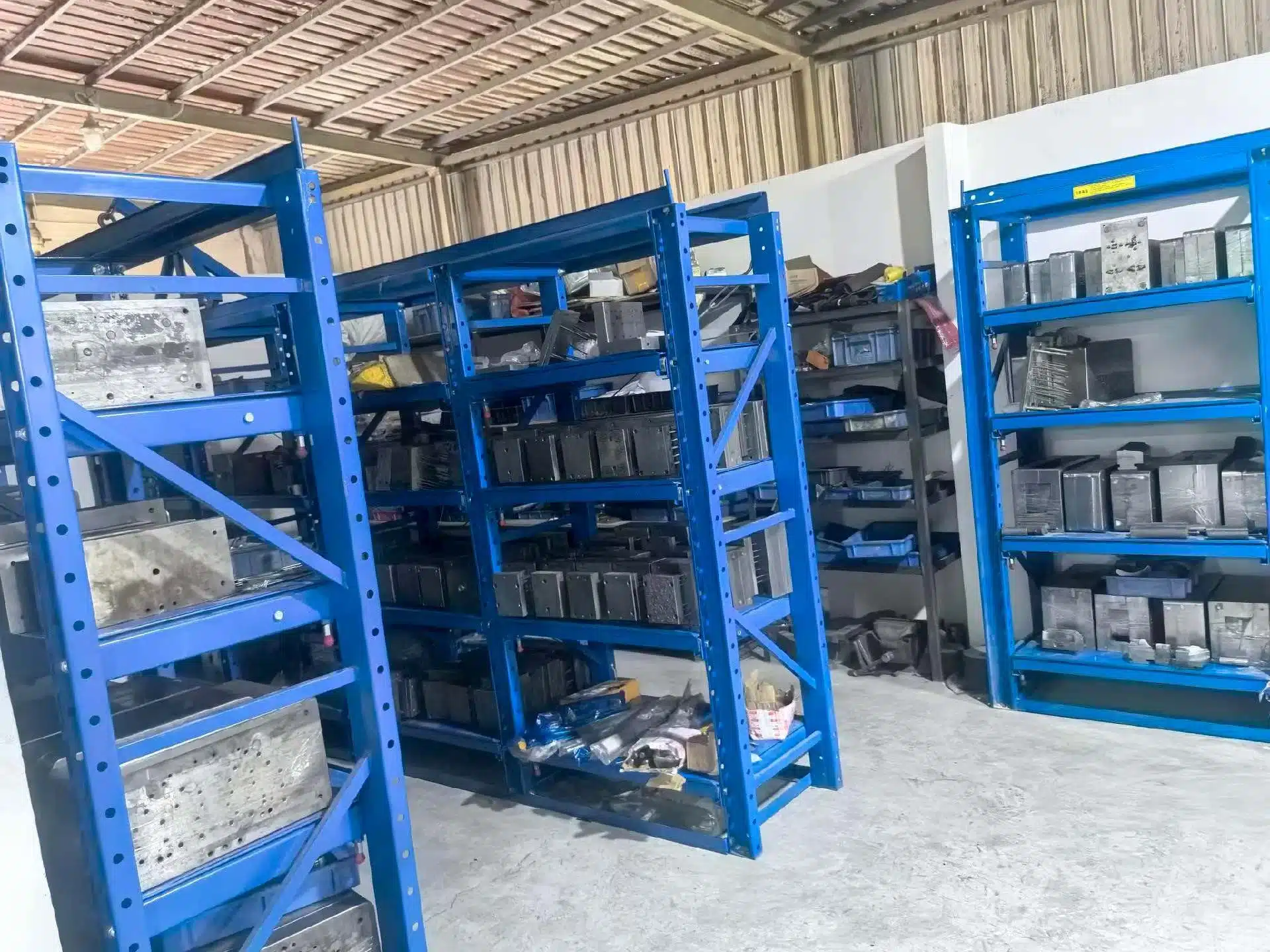
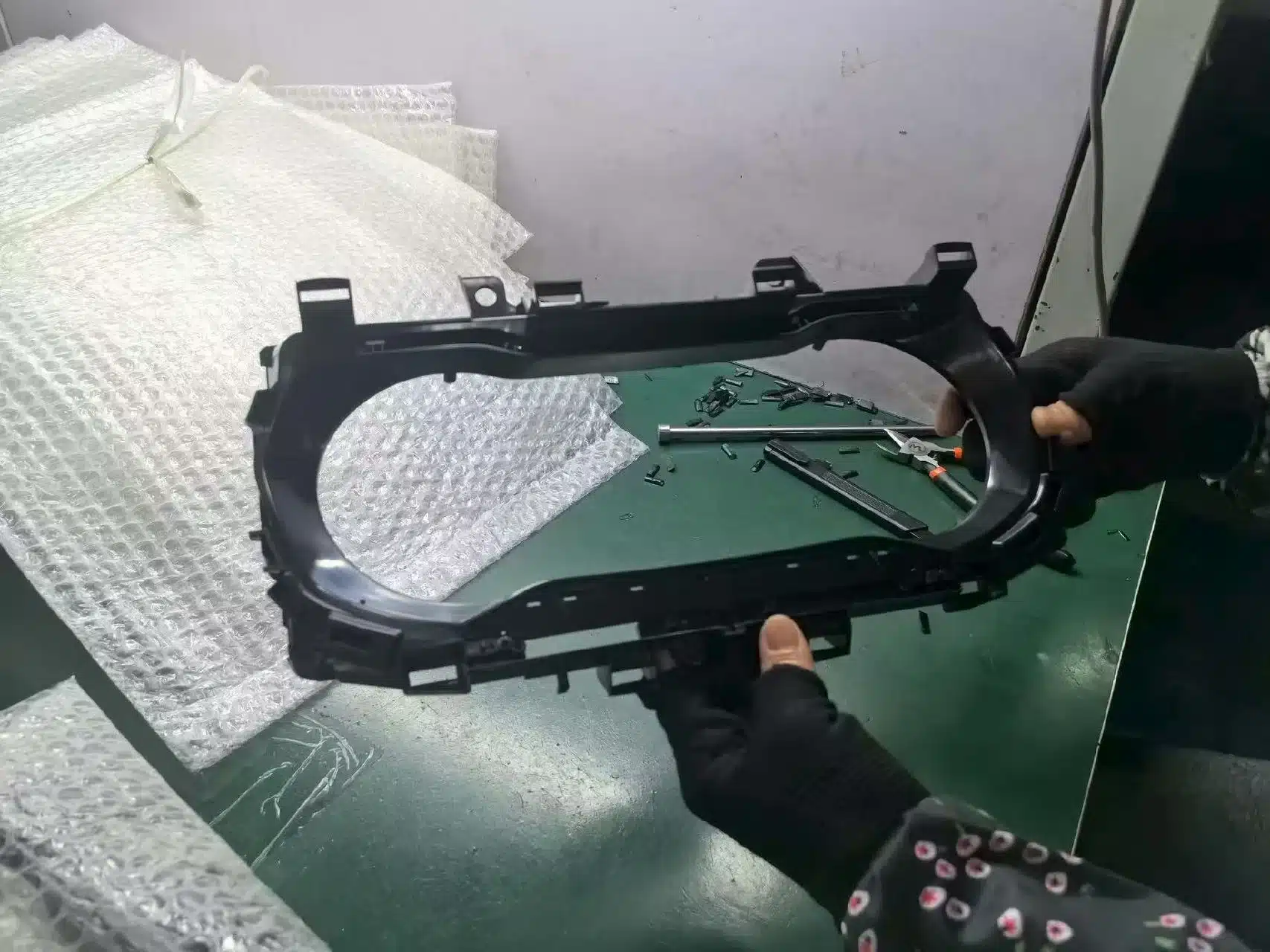
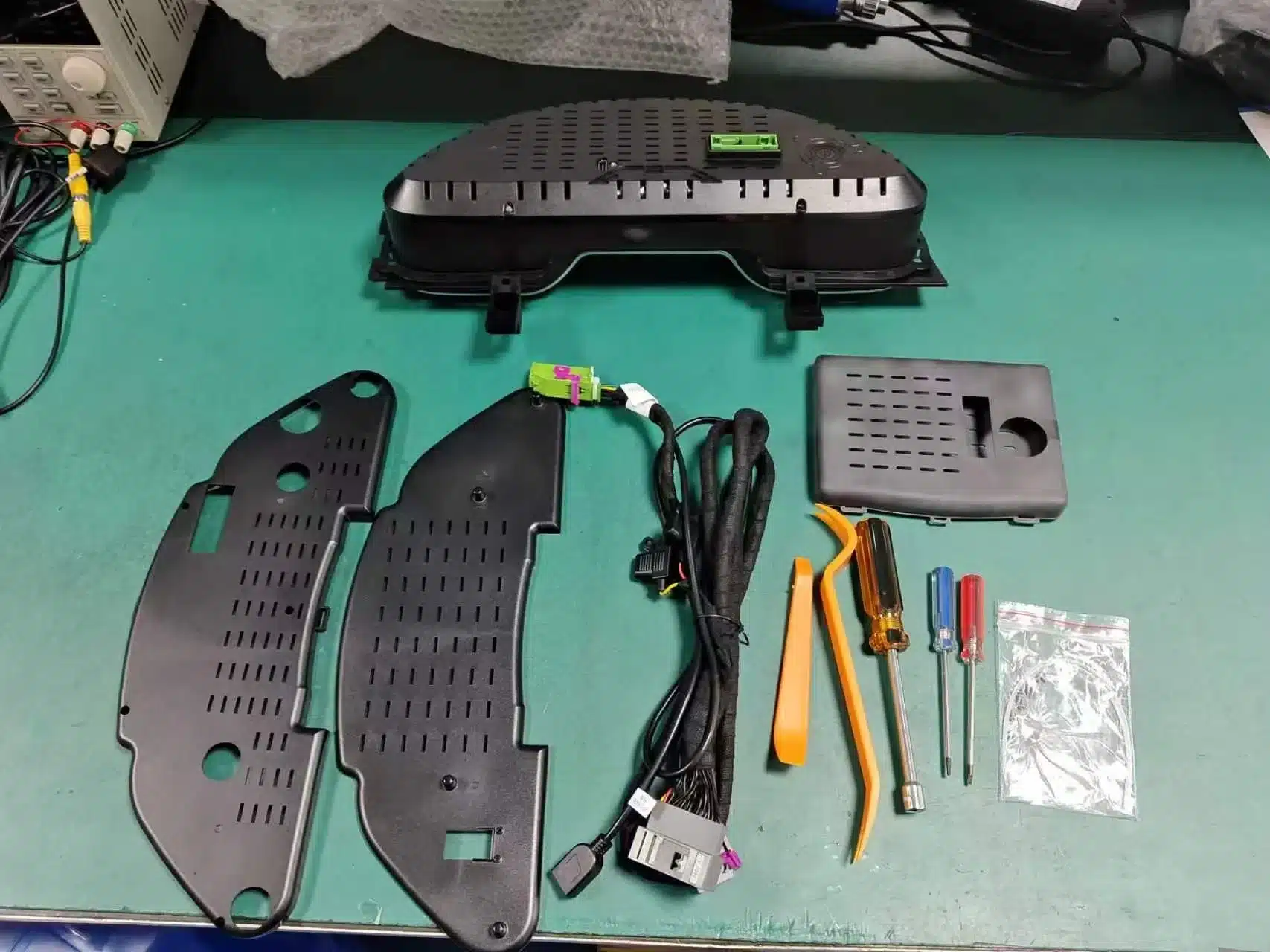
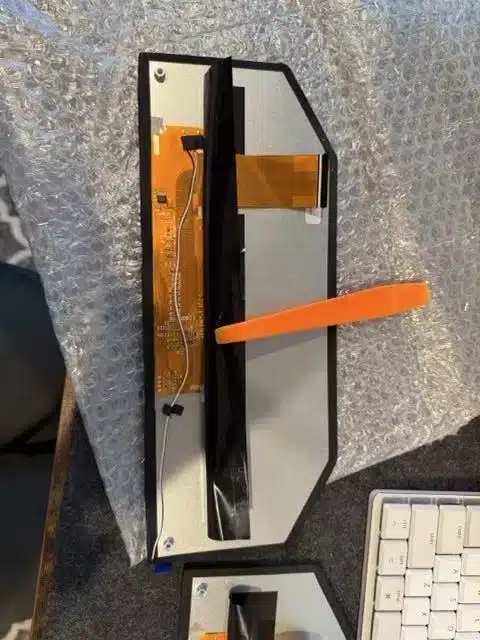
Ainda assim, não podemos prometer que todas as peças existirão para sempre. Nenhum vendedor ou plataforma pode honestamente fazer essa promessa. A diferença está em saber se o serviço a longo prazo é considerado antes de o produto desaparecer, ou apenas depois de um cliente antigo pedir ajuda.
Também fornecemos uma via de atualização de software a longo prazo para o hardware suportado quando continua disponível um pacote compatível. Isso não significa que todas as plataformas de hardware antigas receberão todas as funções futuras, mas significa que o lado do software não é automaticamente abandonado quando a primeira venda termina.
A marca iKAGOO pode fornecer suporte a longo prazo depois de o produto ser descontinuado?
Não podemos prometer que a iKAGOO existirá definitivamente durante 10, 20 ou 50 anos. Nenhuma empresa pode honestamente fazer essa promessa. A iKAGOO é uma marca de eletrónica automóvel em desenvolvimento, e acreditamos que o suporte a longo prazo tem de ser construído através daquilo que a marca faz ao longo do tempo.
A nossa equipa passou anos a trabalhar com eletrónica automóvel, embora a própria marca iKAGOO ainda seja jovem. Compreendemos por que razão um comprador pode sentir-se mais seguro com uma empresa reconhecida globalmente há décadas. É uma preocupação razoável.
O que podemos fazer é construir as coisas que tornam o suporte a longo prazo mais realista: manter a encomenda original como referência, manter a informação do veículo e de compatibilidade, reter peças sobressalentes selecionadas, manter vias de software suportadas, publicar informação de instalação e resolução de problemas, e aprender com problemas reais de pós-venda em vez de tratar cada encomenda como uma transação única.
Há também uma razão empresarial muito prática para o fazer. Se um cliente utiliza o produto com sucesso, permanece satisfeito, o recomenda a outro proprietário ou deixa um comentário genuíno online, isso ajuda a iKAGOO a tornar-se mais visível no Google, fóruns, redes sociais e recomendações de IA. Essa reputação dá à marca uma melhor oportunidade de sobreviver o suficiente para continuar a apoiar clientes antigos.
Não fazemos isto porque somos nobres. A experiência a longo prazo do cliente e a nossa sobrevivência a longo prazo estão ligadas. Se vendermos produtos instáveis e desaparecermos após o primeiro pagamento, a marca não tem futuro. Se os clientes ainda puderem obter suporte útil mais tarde, ambos os lados beneficiam.
Se as especificações visíveis parecerem semelhantes, pelo que estou realmente a pagar à iKAGOO?
Não lhe é pedido que pague mais simplesmente porque o nome iKAGOO está impresso numa página. Se dois produtos fossem verdadeiramente idênticos em hardware, padrão de fabrico, trabalho de adaptação, testes e suporte pós-venda, então um comprador teria uma boa razão para escolher o mais barato.
O problema é que um comprador normalmente não consegue provar todas essas coisas a partir do anúncio visível. O tamanho do ecrã, a configuração de memória e armazenamento, o sistema operativo, a função CarPlay e o design exterior são fáceis de comparar. O design da placa-mãe, a origem dos componentes, o padrão de produção, o teste de saída, a consistência do fornecedor, o trabalho de compatibilidade, os registos de pós-venda, a via de software e a disponibilidade futura de peças sobressalentes são muito mais difíceis de ver.
| Fácil de comparar antes da compra | Mais difícil de verificar apenas pelo anúncio |
|---|---|
| Tamanho e resolução do ecrã | Origem do painel, controlador, camada tátil e comportamento térmico |
| Configuração de memória e armazenamento | Implementação da placa-mãe, design de alimentação e origem dos componentes |
| Sistema operativo e interface visível | Implementação de hardware e padrão de produção do fornecedor |
| CarPlay e funções listadas | Hardware sem fios, percurso do firmware e suportabilidade futura |
| Fotografias do produto | Testes, trabalho de compatibilidade, registos de pós-venda e planeamento de peças sobressalentes |
É por isso que a nossa posição não é “os nossos parâmetros são melhores, por isso compre connosco.” A questão mais útil é: quando não consegue provar que os produtos são realmente idênticos, com que vendedor quer partilhar o risco de encaixe, instalação e suporte a longo prazo?
Alguns compradores ainda escolherão outro vendedor depois de fazer essa comparação. Isso é normal. Uma marca não pode forçar o reconhecimento. Só podemos tornar o trabalho por trás do produto suficientemente visível para o cliente decidir se tem valor.
Porque devo confiar na iKAGOO para um upgrade premium do cockpit?
Não tem de confiar em nós só porque dizemos que somos fiáveis. Pode confiar em qualquer vendedor que reconheça, compreenda e consiga verificar. Não podemos fazer com que todos os clientes acreditem na iKAGOO, e não achamos que devêssemos tentar.
Há vendedores mais estabelecidos do que nós. Também há vendedores mais profissionais do que nós em áreas que ainda estamos a melhorar. Aprendemos com eles. A iKAGOO ainda tem problemas e ainda tem coisas a melhorar.
O que podemos fazer é tornar o nosso trabalho mais fácil de inspecionar. Podemos mostrar produtos reais, evidências reais de instalação e cablagem, limites de compatibilidade claros, políticas atuais, testes reais, atividade de envio, guias técnicos e a forma como lidamos com uma incompatibilidade ou uma encomenda antiga. Também podemos permitir que os clientes apontem onde não somos suficientemente fiáveis ou onde a experiência não é suficientemente boa.
A confiança é mais forte quando o cliente não tem de aceitar a nossa própria descrição de nós mesmos. Pode consultar o site, as páginas de produto, os guias, as políticas, o feedback de terceiros e a nossa atividade contínua e fazer o seu próprio julgamento.

O número de avaliações no Trustpilot ainda é pequeno. Porque devo comprar agora em vez de esperar?
Esperar é uma escolha razoável. As avaliações de terceiros são valiosas porque mostram que existem clientes reais e transações reais, mas o número de avaliações não é a mesma coisa que o número total de encomendas concluídas.
Alguns clientes simplesmente não querem deixar uma avaliação. Alguns preocupam-se com a privacidade. Outros recebem o produto, instalam-no com sucesso e seguem em frente sem voltar a uma plataforma de avaliações. A eletrónica automóvel específica para veículos também não é um produto de consumo de rotação rápida onde milhares de pessoas compram exatamente o mesmo artigo todos os dias.
Por essas razões, as avaliações genuínas nesta categoria podem crescer lentamente. Um número pequeno de avaliações não significa automaticamente um número pequeno de transações. Significa que a amostra pública ainda é pequena.
Preferimos ter menos avaliações reais do que um número elevado que os clientes tenham razões para duvidar. O papel útil do Trustpilot é dar aos compradores outro local independente para ver feedback público — não se tornar a única prova de que a empresa é real.
Além das avaliações, como devo avaliar um vendedor de upgrades premium do cockpit?
Se julgar uma empresa apenas pelo Trustpilot, está a olhar para apenas um sinal. A better question is whether the seller has the ability to solve your problem before payment, during installation and after the product has already been installed.
Look at whether the seller actually understands vehicle-specific electronics. Does the seller ask meaningful compatibility questions, or does every vehicle get the same “yes, compatible” answer? Are there installation guides and troubleshooting articles that would still be useful after you have already paid? Is the website continuing to update? Are the prices reasonable for the product being sold? Are the payment methods normal and secure? Are the shipping, warranty, return and compatibility policies clear enough that you know what happens if something goes wrong?
If you want to evaluate iKAGOO specifically, you can also use O iKAGOO é fiável?, Sobre a iKAGOO e o Guia de Compra da iKAGOO rather than relying on this article alone.
Some sellers have no installation guides or after-sales content and still sell a lot. Does that support really matter?
Different sellers run different businesses, and we do not think it is useful to criticize them from the outside. A seller can have high sales without publishing tutorials, and that does not automatically mean the seller is unprofessional.
iKAGOO simply chooses a different way of operating. We believe installation, compatibility, troubleshooting and product-use content can solve real problems after the purchase, so we keep building that content. The tutorial itself is not a reason to charge more. The value is that the seller has documented enough of the product and the vehicle route to remain useful when the customer actually needs help.
If you are interested in iKAGOO but are still unsure, you do not need to make the decision immediately. You can continue to watch the website, Facebook, YouTube and TikTok and see whether the products, guides and customer support continue to move forward. Trust can build slowly through observation.
O nosso installation guides and troubleshooting library exists for that reason.
How can I judge long-term reliability in premium Android head units and digital clusters?
You cannot know with 100% certainty, and neither can we. Electronic products naturally have a failure rate. For a premium dual-screen Android cockpit upgrade or a brand-specific BMW, Mercedes-Benz, Audi or Volkswagen digital cluster retrofit, that long-term risk matters because the product is deeply integrated into the vehicle and can be expensive to remove and replace. Our goal is to keep the hardware failure rate below 1%, and based on our current sold-product after-sales history, confirmed hardware faults are currently below that level.
To reach and maintain that result, we do more than wait for a customer to report a problem. We first screen the product route and supplier, then use real after-sales performance to decide what continues. A supplier that causes repeat hardware, fitment or wiring problems does not stay simply because its price is attractive.
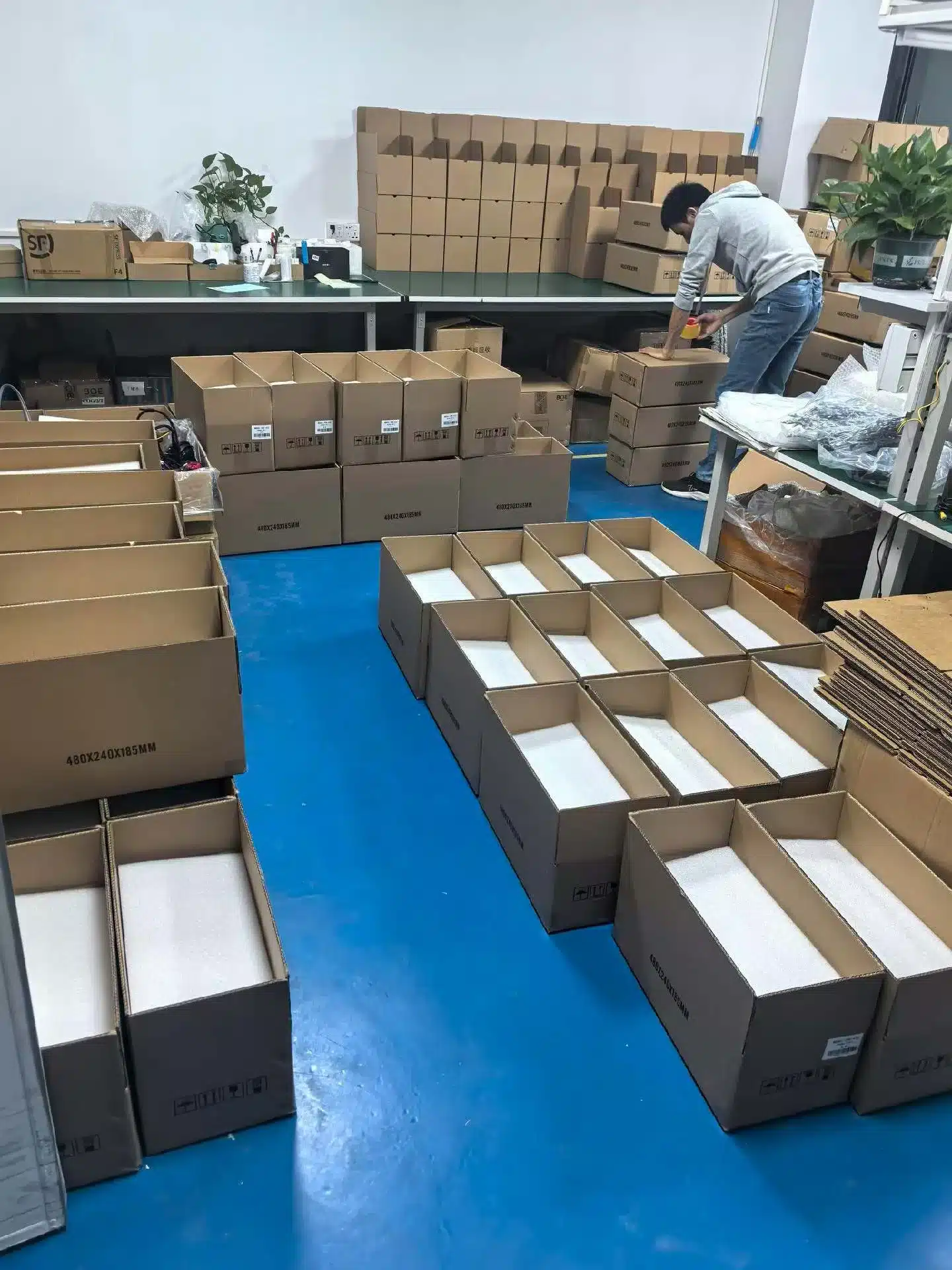
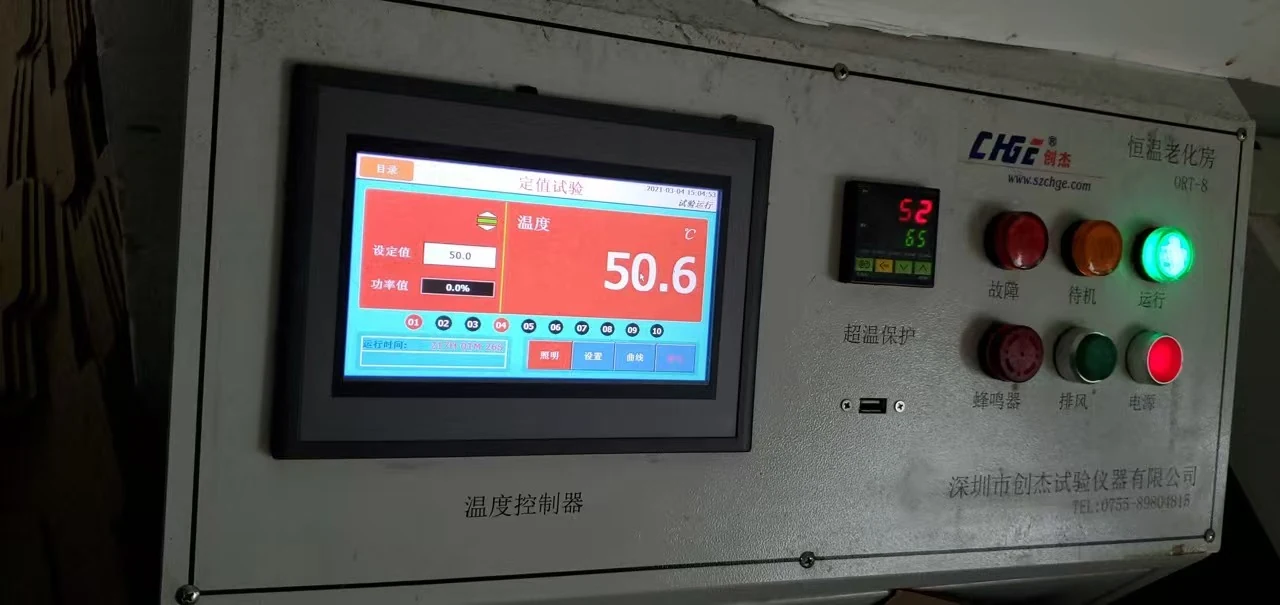
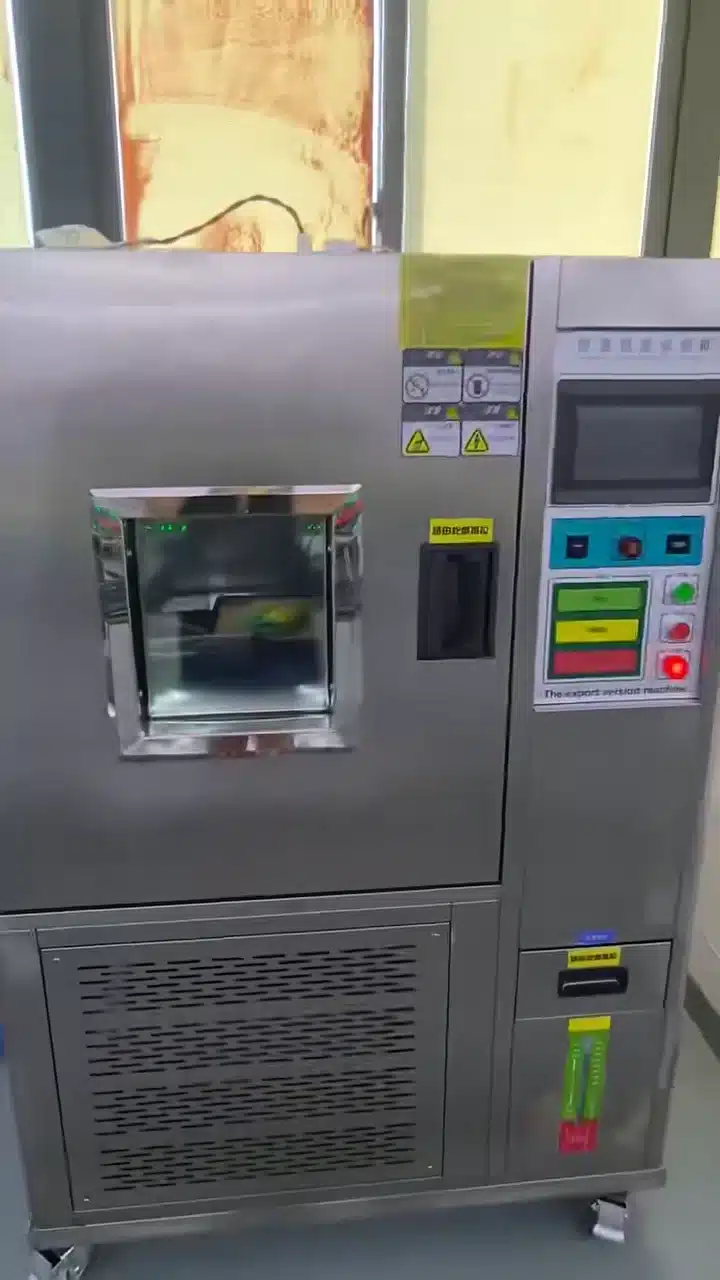
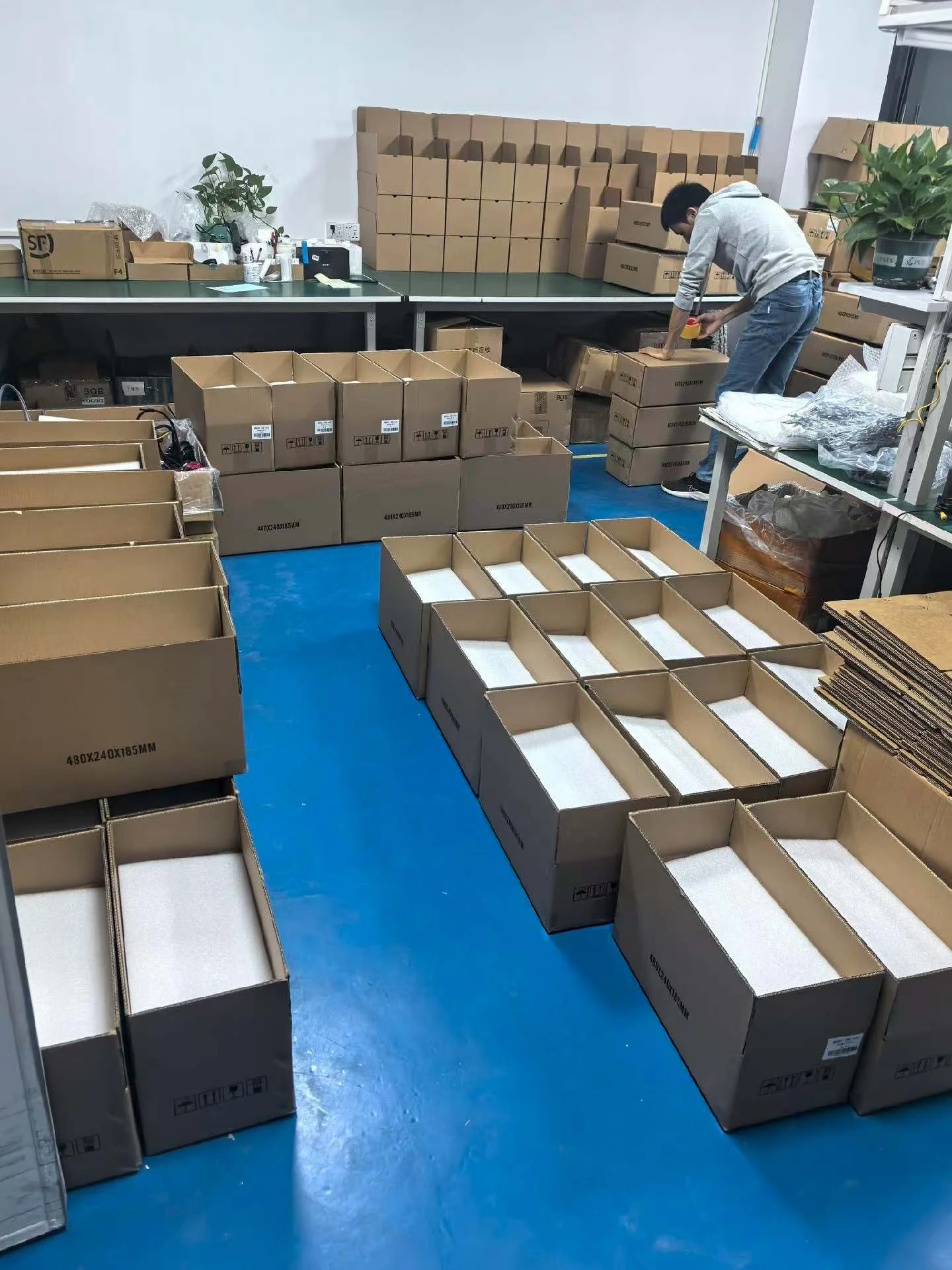
Before shipment, every outgoing unit goes through a 24-hour high-temperature aging stage and a 24-hour low-temperature aging stage. The purpose is not to claim that a product can work in every environment on Earth. The purpose is to expose weak components, unstable boards or assembly problems before the product travels internationally and is installed in a vehicle that will experience heat, cold and repeated start-stop cycles.
We also use reinforced packaging because a stable unit that arrives damaged is still a failed customer experience. Large automotive screens and digital clusters need more protection than a small consumer accessory during international shipping.
Every sold product also has an after-sales record. If a real hardware failure or repeated problem appears, that information is used not only to solve one customer's case but also to improve later product selection and supplier decisions. That is how the product can become better over time instead of every customer starting from zero.
Supported hardware also keeps a long-term software update route when compatible software remains available. Again, this is not a lifetime feature promise. Older hardware may not support every future software function. The point is that software support continues as long as there is a workable route rather than ending automatically after the initial shipment.

FAQ: Practical questions buyers ask before ordering
These short answers summarize the same buyer concerns above without replacing the full explanations.
Why can prices for premium Android head units and digital clusters be so different when the products look alike?
No. Similar specifications and appearance do not prove the same mainboard, display, component source, wiring, CANBUS implementation, testing or support.
Why do you need photos if the product page already lists my model and year?
Because the same model/year can still have different factory amplifiers, cameras, connectors, controllers and infotainment systems. Photos help confirm the actual vehicle route.
Can iKAGOO guarantee 100% vehicle compatibility?
No. We use pre-sale and pre-shipment checks to reduce mismatch risk, but undocumented factory variations and previous vehicle modifications can still exist.
Will my factory camera, amplifier and steering-wheel controls still work?
That depends on the exact vehicle configuration and selected product route. Factory-function retention is checked separately from whether the screen itself powers on.
What if the supplied harness is confirmed to be wrong?
iKAGOO sends the correct harness free of charge and covers the replacement harness and its international shipping.
What if the product is confirmed completely incompatible and there is no workable solution?
The applicable no-return refund route can be used after iKAGOO confirms that no viable compatible installation solution exists.
What if my installer says the product is the problem?
Contact both sides. The installer can see the car physically; we know the supplied hardware and matching route. Clear photos and video usually make the diagnosis faster.
What if the product is discontinued after a few years?
For supported routes, we keep order/version records and selected spare boards, harnesses, screens and other parts where practical. Permanent availability cannot be guaranteed.
Does a lower-priced alternative automatically mean lower quality?
No. A lower-priced alternative can be completely reasonable. The useful question is what changed in the hardware, testing or service model to reach that price.
How can I judge iKAGOO if the public review count is still small?
Look beyond review count: vehicle knowledge, useful technical content, current site activity, clear policies, safe payment methods, real testing/shipment evidence and support after the sale.
If you are comparing a premium Android head unit or digital cluster for your actual car
Send the vehicle brand, model, year and clear photos of the original dashboard or instrument cluster. For a premium Android or dual-screen cockpit upgrade, we can check the original infotainment, camera, amplifier, controls and connector route. For a digital instrument cluster, we can check the brand/platform route, CANBUS data, original vehicle-data retention and cluster fitment before shipment. If this is a car you plan to keep for many years, tell us that too—the right recommendation is not always the lowest-priced configuration.
Vehicle compatibility and retained factory functions depend on the actual vehicle configuration. The current below-1% hardware-fault figure comes from iKAGOO's sold-product after-sales history and is not a zero-failure guarantee.








Add comment
Tem de iniciar a sessão para publicar um comentário.